Node Software
Bitcoin full node implementations, Lightning node software, node operating systems, Electrum servers and blockchain indexers.
Bitcoin Core
Bitcoin Core is the reference implementation of the Bitcoin protocol, and its site hosts release notes, security advisories, RPC documentation for every recent version and contributor guidance. It is the primary source for anyone running or building on their own full node.

RoninDojo
Open-source node software built around Samourai Wallet's Dojo backend, providing a full node with Tor enabled by default, a management interface called RoninUI and transaction analysis tools. RoninDojo does not sell hardware; it runs on hardware you supply such as a Raspberry Pi 5, Rock5b+ or an x86 machine.

Specter Desktop
Specter Desktop is an open-source interface for Bitcoin Core focused on multisignature setups with airgapped signing devices. It supports major hardware wallets including SeedSigner, Specter DIY, Blockstream Jade and Coldcard.
Alby Hub
A self-custodial Lightning node you run yourself, either on your own hardware or in Alby's cloud, which connects to hundreds of Lightning and Nostr apps through Nostr Wallet Connect.
Lightning Terminal
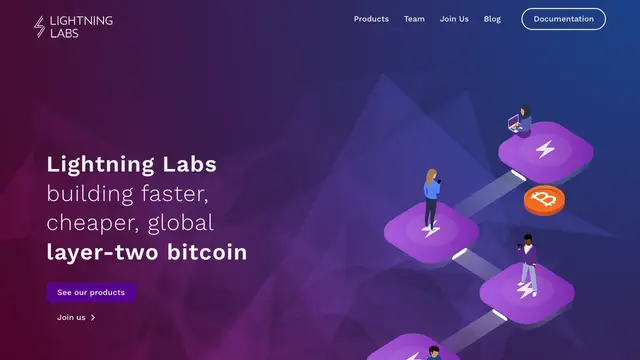
Lightning Labs' web interface for running and managing your own lnd Lightning node, with channel and liquidity management tools. You keep custody of node funds.

Bitcoin Core PR Review Club
The Bitcoin Core PR Review Club is a monthly club that reviews Bitcoin Core pull requests in a public IRC channel on the first Wednesday and Thursday of each month. It exists to help newer contributors learn the Bitcoin Core codebase and review process, and past meeting notes are archived on the site.
Bitcoin Dev Kit (BDK)
A set of libraries maintained by the BDK Foundation for building Bitcoin wallets, covering descriptors, coin selection, PSBTs and pluggable chain backends such as Electrum, Esplora and Bitcoin Core RPC.

Bitcoin Optech
Bitcoin Optech publishes a weekly newsletter, podcast, topic pages and case studies that track changes to Bitcoin Core, wallets, services and the wider protocol. It exists to help bitcoin businesses and engineers adopt scaling and efficiency techniques.

BTCPay Server
A self-hosted, open-source Bitcoin payment processor. Merchants run it on their own node to accept on-chain and Lightning payments with no third-party custody, fees or KYC, and it also serves as a wallet and hardware-wallet coordinator.
Elements
The open-source blockchain platform that Liquid is built on, extending Bitcoin with Confidential Transactions, issued assets and federated block signing. It can be run as a sidechain node or as a standalone chain.
Liquid Network
A Bitcoin sidechain operated by a federation, offering Confidential Transactions that hide amounts and asset types from third parties, plus faster settlement and asset issuance. Liquid Bitcoin is held in a two-way peg with Bitcoin.
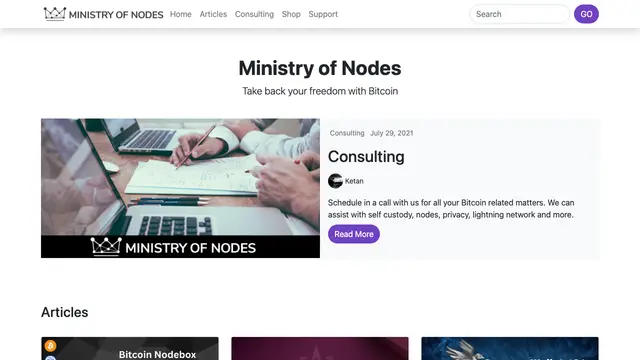
Ministry of Nodes
Ministry of Nodes publishes written and video guides on running your own bitcoin node, self-custody, privacy and the Lightning Network, including a long-running Nodebox build series. It also offers paid consulting calls for people setting up their own infrastructure.
RaspiBlitz
An open-source do-it-yourself build for running a Bitcoin and Lightning node on a Raspberry Pi with an LCD status screen. The project publishes the OS image, hardware shopping list and build instructions on GitHub, and several vendors sell hardware kits for it.
RaspiBolt
A free step-by-step guide to building a sovereign Bitcoin and Lightning node on a Raspberry Pi from scratch, covering the operating system, Bitcoin Core, Electrum server, Lightning and supporting apps.
StartOS
Start9's open-source server operating system for self-hosting. It packages Bitcoin Core, Lightning implementations, Electrum servers and other services behind a web interface with automated updates, backups and Tor access.
The Mempool Open Source Project
A Bitcoin explorer, mempool visualiser and fee estimator that can be self-hosted. It installs in one click on Umbrel, RaspiBlitz, Start9 and other node distributions so you can browse the chain against your own node.
umbrelOS
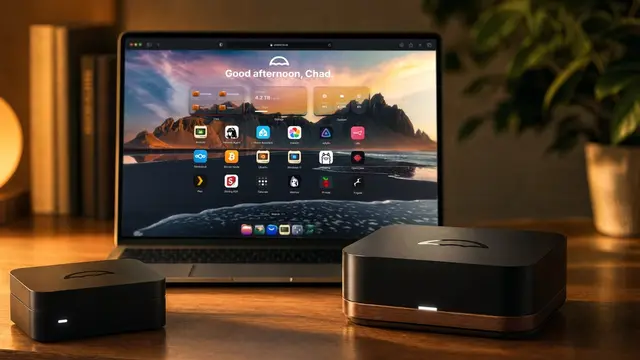
Umbrel's home server operating system. It runs on Umbrel hardware, a Raspberry Pi or any x86 machine and installs a Bitcoin node, Lightning node and hundreds of other self-hosted apps from an app store in one click.
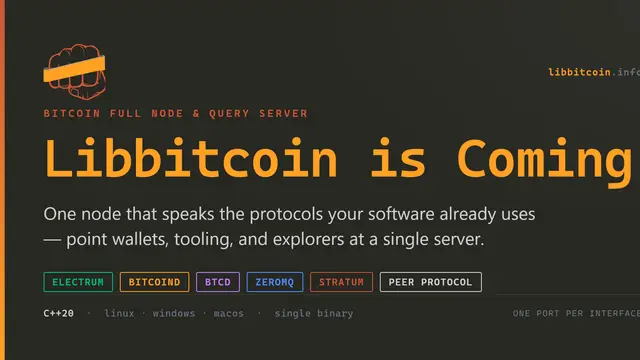
Libbitcoin
A C++ Bitcoin toolkit whose libbitcoin-server component runs as a full node and query server, speaking the Electrum, bitcoind, btcd, ZeroMQ, Stratum and peer-to-peer protocols from a single process.
Bitcoin Knots
A derivative of Bitcoin Core maintained by Luke Dashjr that tracks upstream releases while adding extra configuration options and relay policy controls for node operators who want finer control.
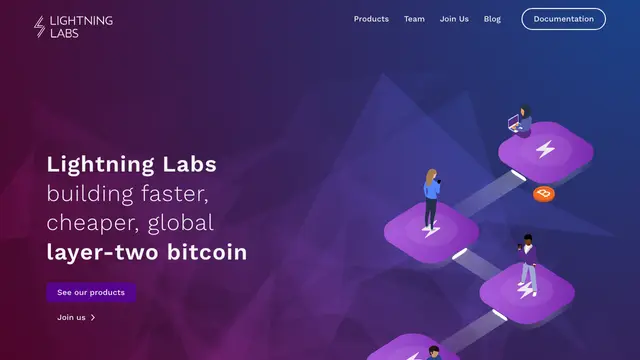
LND (Lightning Network Daemon)
Lightning Labs' Lightning Network implementation in Go, and one of the most widely deployed Lightning node daemons. It exposes gRPC and REST APIs and underpins many node management dashboards.
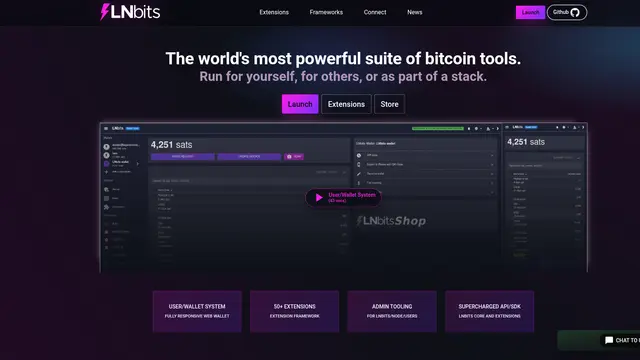
LNbits
A free and open-source accounts system that sits on top of a Lightning node, letting one node be split into many wallets with extensions for vouchers, point-of-sale, paywalls and more.
Core Lightning (CLN)
A Lightning Network implementation from Blockstream focused on specification compliance, performance and a plugin architecture that lets operators extend the node in any language.
Floresta
A lightweight, embeddable Bitcoin client built around Utreexo accumulators, aimed at letting users validate the chain with far less disk and memory than a conventional full node.

Ride The Lightning (RTL)
A full-function browser dashboard for managing Lightning nodes, with support for LND, Core Lightning and Eclair. It is a standard app on most home node distributions.

ZEUS
Self-custodial Bitcoin wallet and Lightning infrastructure app. It can run an embedded node or connect to your own remote node for on-chain and Lightning payments.
btcd
An alternative full node Bitcoin implementation written in Go, maintained by the btcsuite project. It performs full block validation and is widely used as a library and backend in Go-based Bitcoin software.
electrs
An efficient reimplementation of the Electrum server in Rust. Running it beside Bitcoin Core lets Electrum-protocol wallets such as Sparrow and Electrum query your own node instead of a public server.
Electrum Personal Server
A minimal Electrum server designed for a single user. Instead of indexing the whole chain it watches only your own addresses through Bitcoin Core, so an Electrum wallet can connect privately to your node on modest hardware.
NBXplorer
A lightweight block explorer and UTXO tracker maintained by the BTCPay Server project. It indexes only the descriptors you ask it to track, which keeps resource use low for self-hosted wallets and payment servers.
utreexod
A fully validating Bitcoin node with Utreexo support, maintained by the Utreexo project. Utreexo replaces the on-disk UTXO set with a compact hash accumulator so nodes can validate with a much smaller state.
BlindBit Oracle
A Go implementation of a BIP352 silent payments indexing server. Running one lets a silent-payments wallet scan for its own payments against your own infrastructure instead of a third-party service.
Neutrino
Lightning Labs' privacy-preserving Bitcoin light client, implementing compact block filters (BIP157/158) so mobile and lightweight wallets can sync without revealing which addresses they care about.
Parmanode
An open-source installer that automates setting up a Bitcoin node and related applications on ordinary desktop computers, aimed at people who do not want to work through manual installation steps.
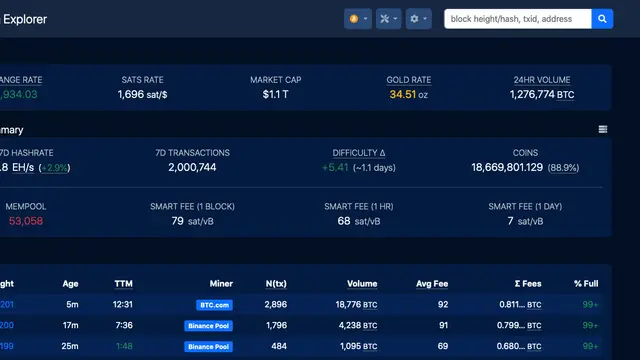
BTC RPC Explorer
A database-free, self-hosted Bitcoin explorer that talks directly to Bitcoin Core over RPC. It is a common one-click app on home node distributions for browsing blocks and transactions privately.
ElectrumX
The Electrum protocol server implementation maintained alongside the Electrum wallet, usable for public-facing infrastructure or personal use. It builds a full address index from a Bitcoin node.
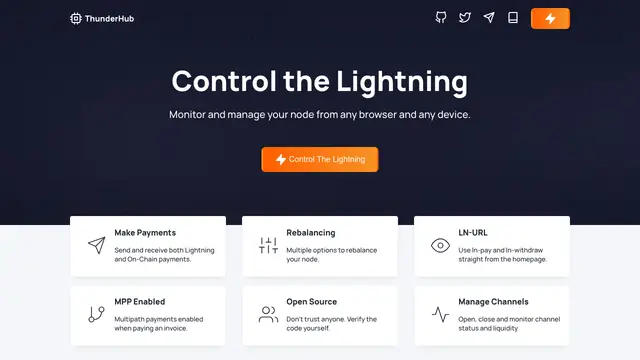
ThunderHub
A browser-based Lightning node manager for monitoring channels, balances, forwards and fees from a web interface, commonly installed on home node setups.
Questions
Frequently asked questions
What counts as node software?
Bitcoin full node implementations, Lightning node software, node operating systems, Electrum servers and blockchain indexers.
What are node software?
Bitcoin full node implementations, Lightning node software, node operating systems, Electrum servers and blockchain indexers.
Open source or closed?
Open-source firmware and software can be audited by anyone. Many experienced users prefer it. Listings note what the maker publishes.